
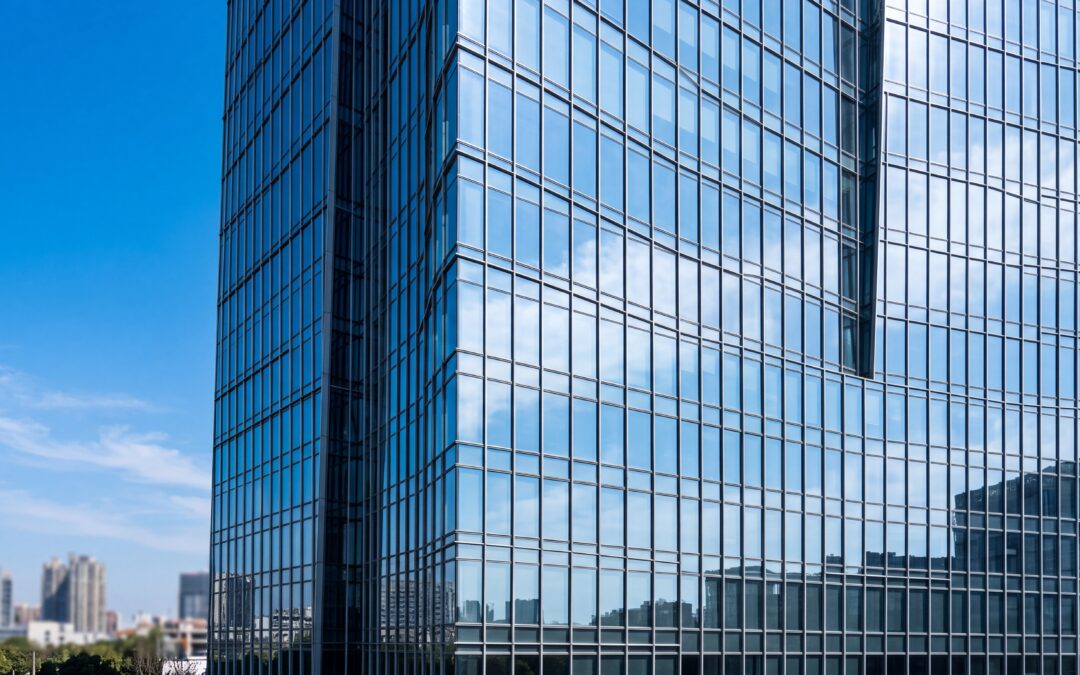
For facilities managers overseeing commercial estates, exterior glass maintenance is not merely a matter of cosmetic upkeep. It is a critical component of preventative asset preservation and a significant contributor to corporate brand perception. Neglected glazing accumulates traffic film, industrial pollutants, and mineral deposits that can cause irreversible etching over time, compromising the structural integrity of the building envelope. Establishing a rigorous maintenance programme is essential to elevate building asset value and occupant wellbeing.
The Structural Impact of Neglected Glazing
In high-density urban environments across London and the South East, atmospheric particulates pose a constant threat to external glazing. When sulphur dioxide and nitrogen oxides combine with moisture, they form mild acids that attack the silica structure of the glass. Regular, structured cleaning prevents these environmental contaminants from bonding permanently with the surface.
Furthermore, the physical interface between the glass and the building envelope must be maintained in tandem. In modern commercial architecture, glass is frequently paired with metal framing. Facilities managers must pay close attention to protecting aluminium facades and glazing seals from degradation. Acidic rainwater run-off from unwashed metal framing can cascade down onto the glass, causing severe calcification streaks that require expensive abrasive restoration to rectify.
Selecting the Correct Chemical and Cleaning Agents
When executing a maintenance strategy, the choice of cleaning agents is paramount. Many in-house teams incorrectly assume that general detergents are suitable for high-exposure exterior glazing. However, research into the dangers of using standard all-purpose cleaners on commercial glass reveals that these products leave surfactant residues. This residue creates a microscopic, sticky film that attracts soot and dust, causing the glass to re-soil rapidly.
Instead, commercial operators favour pure water technology—produced through reverse osmosis and deionisation—or certified non-toxic glass care products. These advanced solutions ensure a streak-free, residue-free finish without causing chemical run-off that could damage sensitive stone or anodised metal elements nearby. Prioritising non-toxic glass care for offices and retail environments also aligns the maintenance programme with modern environmental, social, and governance (ESG) targets.
Access Methods and Risk Management
Managing high-level external works requires absolute compliance with health and safety regulations, including the Work at Height Regulations 2005. A comprehensive facilities guide to exterior glass and facade cleaning highlights that access strategies must be tailored to the specific architecture of the property. Whether utilising suspended cradles, mobile elevating work platforms (MEWPs), industrial rope access, or high-reach water-fed poles, each method demands certified risk assessments and method statements (RAMS).
Scheduling these intrusive works requires precise planning to minimise operational disruption to tenants. It is advisable to integrate these schedules within a broader, integrated window and facade maintenance plan. This coordinated approach ensures that ground-level cleaning, internal glass maintenance, and external high-level cleans operate in synergy, maintaining a consistent five-star appearance for the entire asset.
Partnering with Certified Professionals
For complex commercial, retail, or municipal assets, managing exterior glass maintenance internally is rarely cost-effective or risk-compliant. Partnering with a specialist, accredited contractor guarantees that the cleaning is executed using industry-leading methodologies, safe access equipment, and highly trained personnel. Choosing a certified commercial window cleaning partner provides facilities managers with peace of mind, knowing that structural preservation, safety compliance, and corporate brand reputation are fully secured.
Recent Comments