
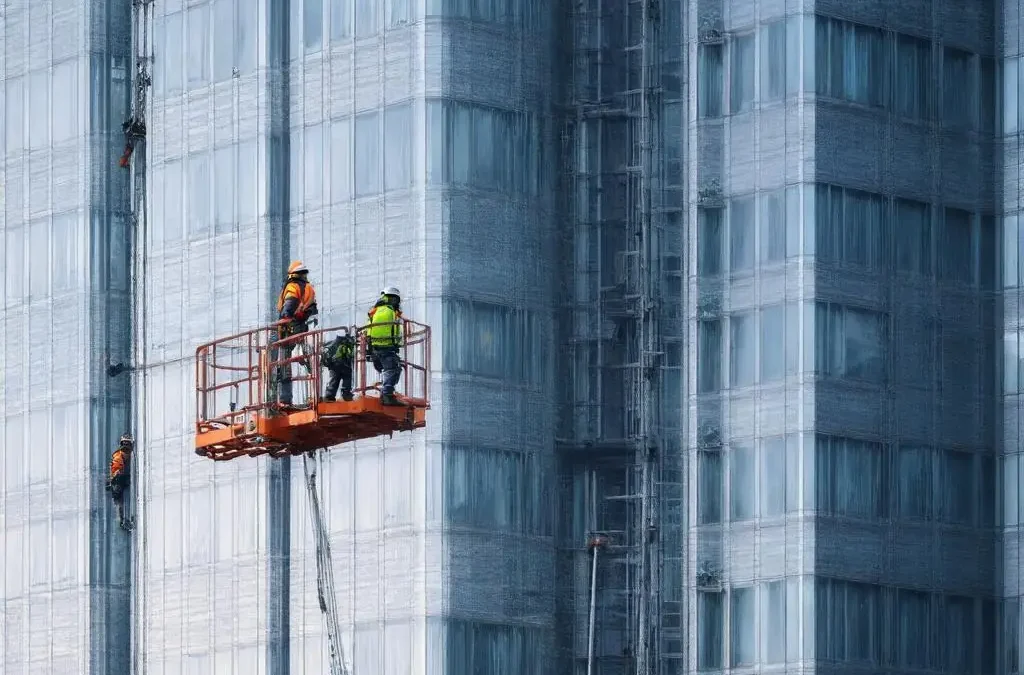
Across the cleaning sector, the centre of gravity is moving from broad, generalist tasks to highly specialised services. In the high‑rise context, that means more than standard window washing. It spans complex façade and cladding cleaning, high‑level glazing restoration, and even biohazard and post‑incident clean‑ups. For owners and managers of multi‑storey retail and office properties, this shift has practical implications: the work is more technically demanding, the risk profile is higher, and the stakes for safety, compliance and brand protection are greater.
Selecting a partner on price alone is no longer sufficient. Facilities with multi‑storey footprints should prioritise providers who can evidence rigorous training, documented safety systems, and alignment with internationally recognised standards for quality, environmental management, and occupational health and safety. ISO 9001, 14001 and 45001 are particularly relevant, as they demonstrate structured processes for service delivery, environmental controls, and safe working practices. Independent approvals such as SafeContractor and affiliation with professional bodies (for example BICSc and the Federation of Window Cleaners) further reinforce that a provider’s methods are audited and benchmarked.
The practical outcome of this specialisation is a safer, more efficient and more resilient service. Specialists bring the right access method to each elevation, anticipate seasonal and site‑specific risks, and implement preventative maintenance plans that protect your façade’s lifespan and your corporate image.
How to evaluate a specialist partner for high‑rise maintenance
When tendering or refreshing your supplier list, assess competence across the full lifecycle of planning, access, delivery and continuous improvement. The following criteria are central to high‑rise performance:
-
Competency in multiple access methods. Look for proven capability with water‑fed pole systems, rope access/abseiling, cradle systems and mobile elevating work platforms (MEWPs). Multi‑method competence ensures the safest and most cost‑effective approach can be matched to each elevation, height, and site constraint.
-
Thorough, site‑specific RAMS. Require detailed risk assessments and method statements tailored to each location and task. These should address anchor points, exclusion zones, rescue plans for working at height, weather triggers, and coordination with building management for permits and out‑of‑hours works.
-
Environmental controls. Verify compliance with ISO 14001 principles: water management, chemical selection and dosing, waste segregation, and run‑off prevention. On sensitive façades, request evidence of neutral pH detergents, pure water systems, and closed‑loop or containment measures.
-
Incident reporting and corrective action. A robust near‑miss and incident reporting culture should be supported by formal procedures, root‑cause analysis, and documented corrective actions. Ask for anonymised examples and evidence of periodic safety audits.
-
Staff vetting and medical fitness. For high‑risk tasks such as rope access, technicians should be medically fit for work at height and vetted to your building’s security requirements. Check for right‑to‑work verification, DBS checks where required, and up‑to‑date medicals aligned to the tasks performed.
-
Insurance coverage. Confirm adequate public liability and employer’s liability insurance with limits suited to city‑centre, high‑value properties, and specialist endorsements for rope access and MEWPs. Ensure subcontractor arrangements are disclosed and covered.
-
Ongoing training and supervision. Beyond induction, look for structured, continuous development: toolbox talks, refresher training on equipment and rescue, and formal competence frameworks. Supervisory oversight should be visible on site and in documentation.
-
Documented quality and safety systems. ISO 9001, 14001 and 45001 certifications indicate a managed approach to quality, environmental, and occupational health and safety performance. SafeContractor approval and membership of bodies like BICSc and the FWC provide additional assurance.
-
Year‑round capacity and responsiveness. High‑rise portfolios require continuity. Ensure your provider operates year‑round, with contingency plans for weather, emergency call‑outs, and planned shutdowns, and can evidence service delivery across all seasons.
An effective partner will also communicate proactively—issuing pre‑works notices, coordinating with tenants and security, and providing post‑visit reports with photographic evidence, findings, and recommendations.
Cost‑effectiveness: planning once, preventing twice
Specialist cleaning is not an overhead to be minimised but an asset to be optimised. The most cost‑effective programmes share three traits:
-
Accurate access planning. Selecting the optimal access method per elevation avoids unnecessary equipment hire and rework. For example, combining water‑fed poles for lower levels with MEWPs or cradles for mid‑rise spans and rope access for complex, hard‑to‑reach elements can reduce total labour hours while improving safety. Detailed pre‑planning also streamlines permit processes and avoids clashes with deliveries, events or fit‑outs.
-
Minimized disruption. A competent team will sequence works to reduce tenant and public impact: off‑peak scheduling, out‑of‑hours operations for high‑traffic frontages, and clearly marked exclusion zones. Good communication plans with building managers minimise lift closures, pavement diversions and noise at sensitive times.
-
Preventative maintenance that protects façade lifespan and brand. Regularly removing pollutants, mineral deposits and organic growth slows material degradation and helps glazing and coatings perform as designed, extending redecoration cycles. Clean façades and storefronts support corporate image and footfall, while proactive inspection can identify seal failures, damaged fixings or blocked drainage before they escalate into leaks or safety hazards.
Well‑run programmes create measurable value. Expect your partner to define key performance indicators (such as schedule adherence, first‑time completion, defect response times, and environmental metrics), provide audit results, and recommend adjustments based on performance data and seasonal patterns.
Tendering checklist and setting cleaning frequencies
To streamline procurement and ensure like‑for‑like bids, use a concise tendering checklist:
- Proof of competence in multiple access methods (water‑fed pole, rope access/abseiling, cradles, MEWPs), including technician qualifications and rescue plans.
- Current ISO certifications (9001, 14001, 45001) and independent safety approvals (e.g., SafeContractor), plus relevant professional memberships (e.g., BICSc, FWC).
- Site‑specific risk assessments and method statements (RAMS) for representative elevations, including weather and traffic management plans.
- Evidence of year‑round scheduling capability, with contingency for adverse weather and emergency call‑outs.
- Insurance schedules detailing limits and endorsements appropriate to high‑rise work.
- Staff vetting, right‑to‑work, and medical fitness protocols for work at height.
- Environmental controls: chemical policies, waste and water run‑off management, and equipment maintenance logs.
- KPIs, audit processes, and sample performance reports with photographs and remedial recommendations.
- Incident and near‑miss reporting procedures, with sample corrective action records.
- Emergency response procedures, including rescue readiness for rope access and MEWP incidents.
- Clear communication plans: pre‑works notices, tenant liaison, signage, and post‑service reporting formats.
Alongside procurement diligence, calibrate cleaning frequencies to site realities. As a guide for London and South East portfolios:
-
Ground‑level retail frontages and lobbies with high footfall: external glazing weekly to fortnightly; internal glazing fortnightly to monthly, adjusting for promotional periods and events.
-
Mid‑rise office elevations in urban corridors with heavy traffic or construction nearby: external glazing every 6–8 weeks in spring and summer; every 8–12 weeks in autumn and winter. Include periodic façade rinses to remove particulates and prevent staining on porous materials.
-
Upper elevations exposed to prevailing winds and pollutants: quarterly as a baseline, with additional cleans after notable events (e.g., storms, nearby works that generate dust).
-
Specialist interventions (e.g., mineral deposit removal, algaecide treatments on cladding, or post‑incident biohazard cleaning): scheduled as condition‑based tasks, triggered by inspection reports.
-
Seasonal considerations: in spring, increased pollen and organic debris may justify shorter cycles; summer dryness often raises dust levels; autumn leaf fall and rain can streak façades; winter road grit and salt spray can mark lower elevations. Adjust frequencies accordingly.
A structured programme, underpinned by formal KPIs and periodic audits, will keep aesthetics on point while safeguarding materials and public safety.
If you manage a multi‑storey retail or office property and would like a tailored plan, book a free site survey and quote. A comprehensive assessment will determine the safest access methods, optimal frequencies by elevation and season, and a reporting regime that aligns with your compliance obligations and brand standards.
Recent Comments