
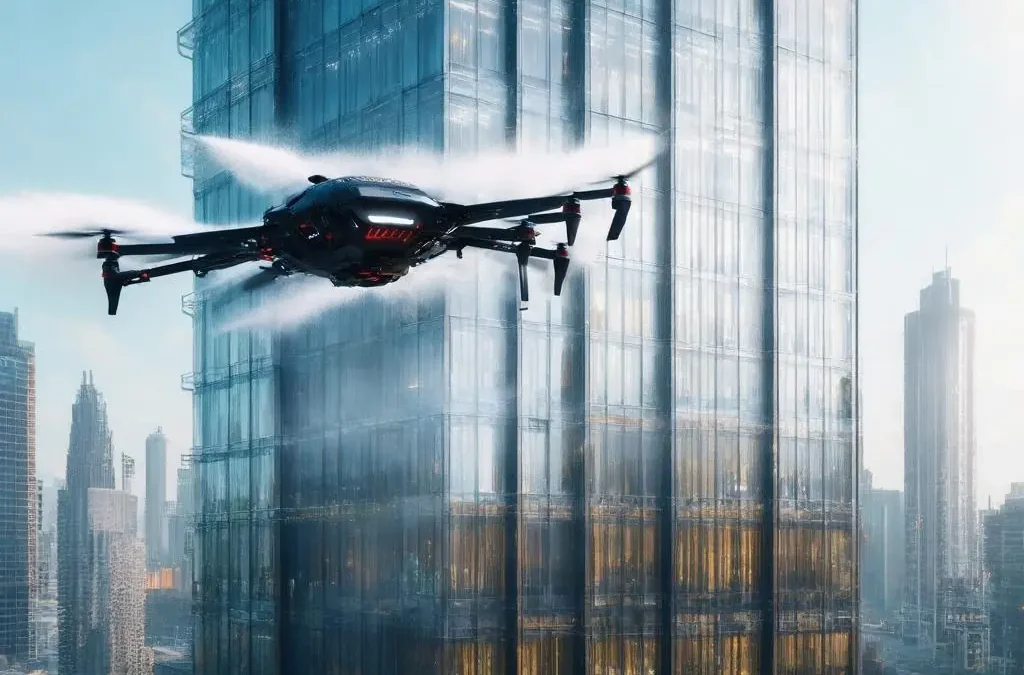
The world of exterior building maintenance is undergoing a profound transformation, thanks to the rapid adoption of drone technology. Traditionally, window and facade cleaning—especially for high-rise and architecturally complex structures—has relied heavily on scaffolding, ladders, or abseiling teams. These methods, though effective, present significant risks to workers, consume considerable resources, and often make use of cleaning agents that are not environmentally benign.
The introduction of drone technology is redefining what is possible. Operators now deploy specialised cleaning drones equipped with advanced sensors, automated navigation, and precise spray mechanisms. This allows for thorough, efficient cleaning of glass, metal, and stone facades whilst minimising human exposure to height-related hazards. Furthermore, drones are proving indispensable for structures that were once considered near-impossible to access efficiently, such as ultra-high skyscrapers and intricately designed modern buildings.
Enhancing Safety and Efficiency Through Automation
Safety is a paramount concern in exterior building maintenance, and drones are set to eliminate many of the inherent dangers associated with traditional methods. By removing the need for human operatives to scale heights on scaffolding or via ropes, the risk of accidents is greatly reduced. Drones can be remotely piloted by trained technicians at ground level, ensuring that both operatives and the public are protected throughout the process.
The efficiency gains presented by drone cleaning are noteworthy. Deployment times are significantly shorter; there is no need for cumbersome installations such as scaffolding or mobile platforms, and the actual cleaning process is often much faster due to the access drones provide. Advances in battery life, navigational systems, and onboard cleaning technology mean that a drone can cover larger surface areas in a single session, reducing the downtime for commercial clients and maintaining day-to-day building operations.
Environmental Sustainability: Meeting Modern Standards
Sustainability is now a non-negotiable requirement for all commercial and residential maintenance services, and drone-assisted cleaning is leading the way. Traditional cleaning methods often require high volumes of water and powerful, sometimes harsh, chemicals to achieve acceptable results. In contrast, drones utilise innovative low-water or fine-mist systems that drastically reduce water consumption.
Moreover, the cleaning solutions used by drones are typically biodegradable and environmentally friendly, in line with the latest compliance requirements and ISO standards relating to environmental management (ISO 14001). This aligns seamlessly with the growing demand from building owners, facilities managers, and tenants for greener, more responsible building management practices.
By reducing both water consumption and chemical runoff, and by eliminating the carbon footprint associated with heavy access equipment transport, drone cleaning substantially lowers the environmental impact of building maintenance. This is particularly appealing to businesses keen to demonstrate their commitment to sustainability and achieve green building certifications.
Cost Reduction and Adaptability for Modern Structures
The financial implications of drone technology in window and facade cleaning cannot be overstated. The elimination of scaffolding, cherry-pickers, and rope access rigs means not only lower direct costs but also less disruption to daily building use. With drones, there is minimal site preparation and fewer access restrictions, allowing maintenance to proceed with less advance notice and reduced administrative overhead.
Importantly, drone cleaning is well suited to increasingly complex urban architecture. Buildings with irregular shapes, difficult-to-reach ledges, and sensitive external features can now be maintained efficiently, as the manoeuvrability and precision of drones make them ideal for navigating intricate layouts.
The Future of Building Cleaning: Innovation for Safer, Greener Cities
The deployment of drones in window and facade cleaning represents a significant leap forward for safety, efficiency, and eco-friendliness. As the sector continues to evolve, building owners and facility managers who embrace drone technology will benefit from lower costs, reduced operational risks, and an enhanced sustainability profile. Most importantly, they will help pave the way for safer cities and healthier environments by adopting cutting-edge solutions that address both the immediate challenges and the broader responsibilities of urban property management.
Recent Comments